What is osteoporosis & osteopenia?
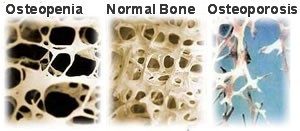
Osteopenia
is when someone is on the way to getting osteoporosis. If you are told you have osteopenia then you can reverse that diagnosis with diet and exercise.
Osteoporosis
is when bones weaken faster than they grow back. Bone is constantly being broken down and built back up. We have cells called Osteoblasts which build bone up and cells called Osteoclasts which break bone down. Look at this quick video which explains it really well.
Having osteopenia may or may not turn into osteoporosis later in life as diet, exercise, and sometimes medication can slow down the deterioration of bone health.
Statistically, women have lower bone mass than men. They also live longer on average, meaning their bones age more.
Calcium & vitamin D are important for healthy bones, but changes during menopause put woman at a greater risk of developing osteopenia. This is because women lose the protective hormone oestrogen during the menopausal years.
What are the early signs of osteoporosis and osteopenia?
- Being susceptible to injury
- Increased pain in your joints
- Loss of height over the years
- Having a stooped posture
What are the risk factors for developing osteoporosis and osteopenia?
- Gender – women are 4x more likely than men
- Age – women over 50
- Race – Especially Caucasian and Asian women
- Women who have had breast cancer
- Lack of calcium, as this affects bone strength and muscles that support our bones
- Excessive alcohol intake
- Eating disorders such as anorexia and bulimia
- Genetics
- Overactive thyroid – a high concentration of thyroid hormone can lead to more bone breakdown which affects bone density
- Physical inactivity – lack of any exercise reduces bone and muscle strength which will increase the risk of fractures and falls
- Smoking
- Vitamin D – Low vitamin D can reduce the body’s ability to absorb the calcium required to stay healthy
How is osteoporosis and osteopenia diagnosed?
- DEXA scan – is a special type of bone density test
- Bone X-ray – this may pick up fractures
- CT scan of the spine
- MRI of the spine
How is osteoporosis and osteopenia treated?
If you have Osteopenia the goal of treatment is to keep it well-controlled and stop it turning into osteoporosis.
- Good diet and exercise plan
- Taking a calcium or/and vitamin D supplement
- Regular low impact exercise, especially weight-bearing and strengthening/resistance exercises to help build muscle mass.
- Stop smoking
- Limit alcohol and caffeine
If you have osteoporosis the goal of treatment is to keep you as strong and supple for as long as possible, reducing further wear and tear of your bones.
- Good diet
- A good & safe exercise plan with someone who knows about training with Osteoporosis (get in touch with me)
- Pain medication
- Calcium and vitamin D supplements